Optimizing Radiology Workflows: Secure, Dual-Tier Remote MRI Services for Hospitals & Outpatient Networks.
Arizona Hub

Next-Generation Remote Console Operations & Radiology Informatics

Solving the nationwide technologist shortage by delivering elite, secure, dual-tier remote MRI support to hospitals and outpatient imaging networks.

100%
HIPAA Compliant
Tier 2
Dual-Layer Model
24/7
Off-Hours Coverage
31
Zero-Red-Tape States
● Zero-Red-Tape States (31) — ARRT(MR)/ARMRIT Ready
Alabama
Alaska
Arizona — Hub
Arkansas
Colorado
Connecticut
Delaware
Georgia
Hawaii
Idaho
Indiana
Iowa
Kansas
Kentucky
Louisiana
Maine
Maryland
Michigan
Minnesota
Mississippi
Missouri
Montana
Nebraska
Nevada
North Carolina
North Dakota
Oklahoma
Pennsylvania
South Carolina
South Dakota
Texas
All 31 states where national ARRT(MR)/ARMRIT credentials are sufficient — no state-level license required.

The Staffing Crisis vs. The Moye Solution
MRI scanner in modern clinical setting
⚠ The Industry Staffing Crisis

The Problem

A severe, nationwide shortage of qualified radiologic technologists is driving up clinician burnout, inflating travel expenditures, and creating massive patient appointment backlogs. Critical off-hours — such as weekends, holidays, and overnights — remain structurally difficult to staff consistently, causing severe workflow gaps that impact patient care and facility revenue.

✓ The Moye Remote Operational Model

The Solution

We optimize your facility's capital machinery without needing an expensive, full-time physical traveler in the booth. By deploying an elite roster of multi-licensed remote MRI technologists, we allow a single specialized expert to cover your low-volume or off-hours scheduling demands completely off-site — reducing cost while maintaining clinical excellence.

Specialized Remote Radiology Services

Our dual-tier operational model covers both technical execution and informatics workflow — a complete remote radiology solution for hospitals and outpatient imaging networks.

🖥️
Tier 1 — Technical Execution

Virtual Scanning & Console Control

Our senior, highly credentialed technologists securely connect to and operate your physical scanner consoles from miles away. We handle protocol management, parameter adjustments, and live console execution, allowing your facility to maintain complete scheduling flexibility during hard-to-staff shifts.

🗄️
Tier 2 — Informatics Workflow

PACS Support & Archive Troubleshooting

We actively manage your radiology informatics and clean up data errors during off-hours. Our specialists troubleshoot PACS archive discrepancies, fix descriptions, and streamline workflows so that clean, error-free studies are fully primed for your radiologists the moment their shifts begin.

🏥
Access Initiative

Rural Healthcare Access

Precision scheduling and access solutions for rural hospitals and freestanding imaging centers that face the most acute technologist shortages. We bridge the gap between underserved communities and the high-quality imaging services they deserve.

🎖️
Workforce Initiative

Expert Workforce

We actively recruit, credential, and deploy experienced, multi-licensed MRI professionals who bring discipline, precision, and mission-focus to every remote engagement.

Dual-Tier Remote Model

Optimizing radiology workflows. Delivering secure, expert remote scanning and PACS support to hospitals and imaging networks nationwide. Our model is built to be flexible, scalable, and seamlessly integrated into your existing infrastructure.

We can host every to pre-state safer and more efficient imaging operations — from initial credentialing and VPN provisioning to live console operation and post-scan PACS cleanup — all managed remotely by our elite team.

  • T1
    Virtual Scanning Console Control Remote protocol management, parameter calibration, and live acquisition execution via encrypted VPN hardware endpoints.
  • T2
    PACS & Informatics Management Off-hours archive cleanup, discrepancy resolution, and workflow optimization so radiologists start every shift with clean data.
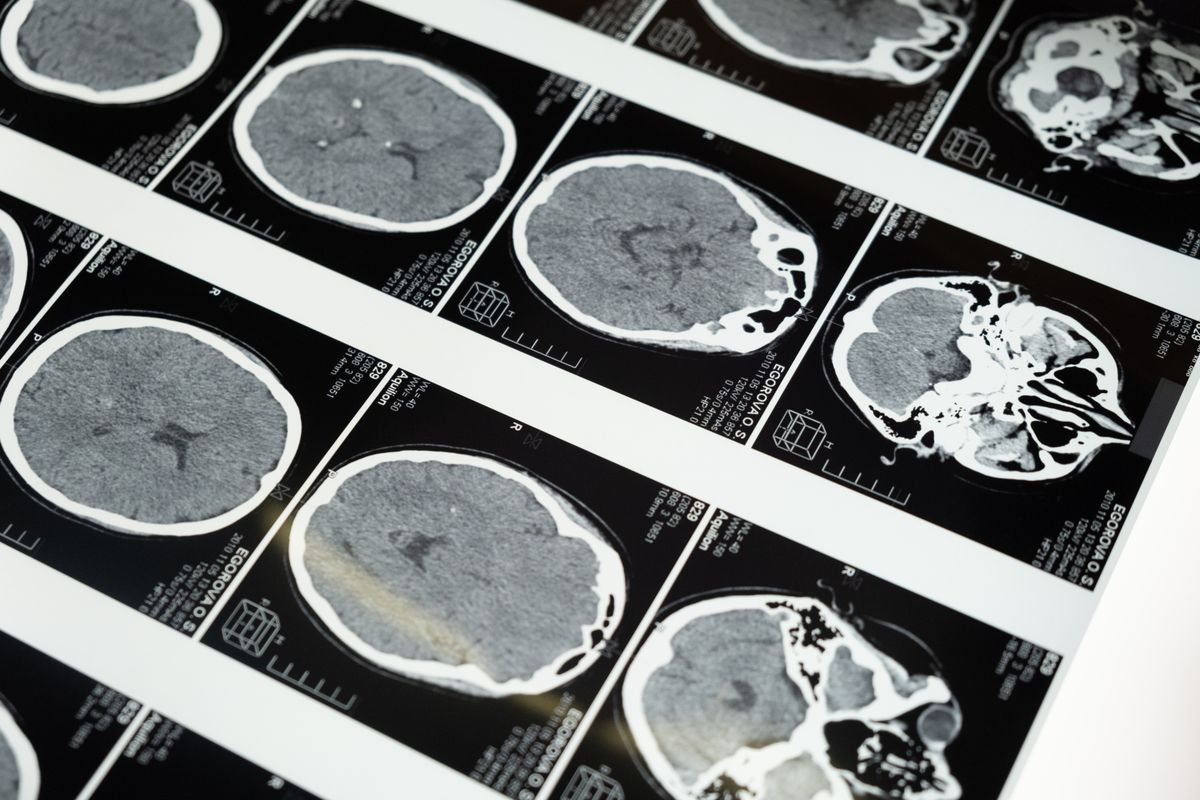
MRI brain scan on display
▶ Remote Workflow Overview

Facility Onboarding — VPN hardware provisioning & OEM software integration (Siemens, Philips, GE)

Credentialing Verification — Primary-source ARRT(MR)/ARMRIT licensing confirmed via industry tracking portals

Secure Console Connection — Low-latency, encrypted site-to-site link established to scanner console

Live Scan Execution — Remote technologist manages protocol, acquisition, and real-time adjustments

PACS Handoff — Clean, verified studies delivered to radiologist queue before shift start

Absolute Clinical Safety. Uncompromised Cybersecurity.

Seamlessly integrating with hospital networks while maintaining strict adherence to federal healthcare compliance standards.

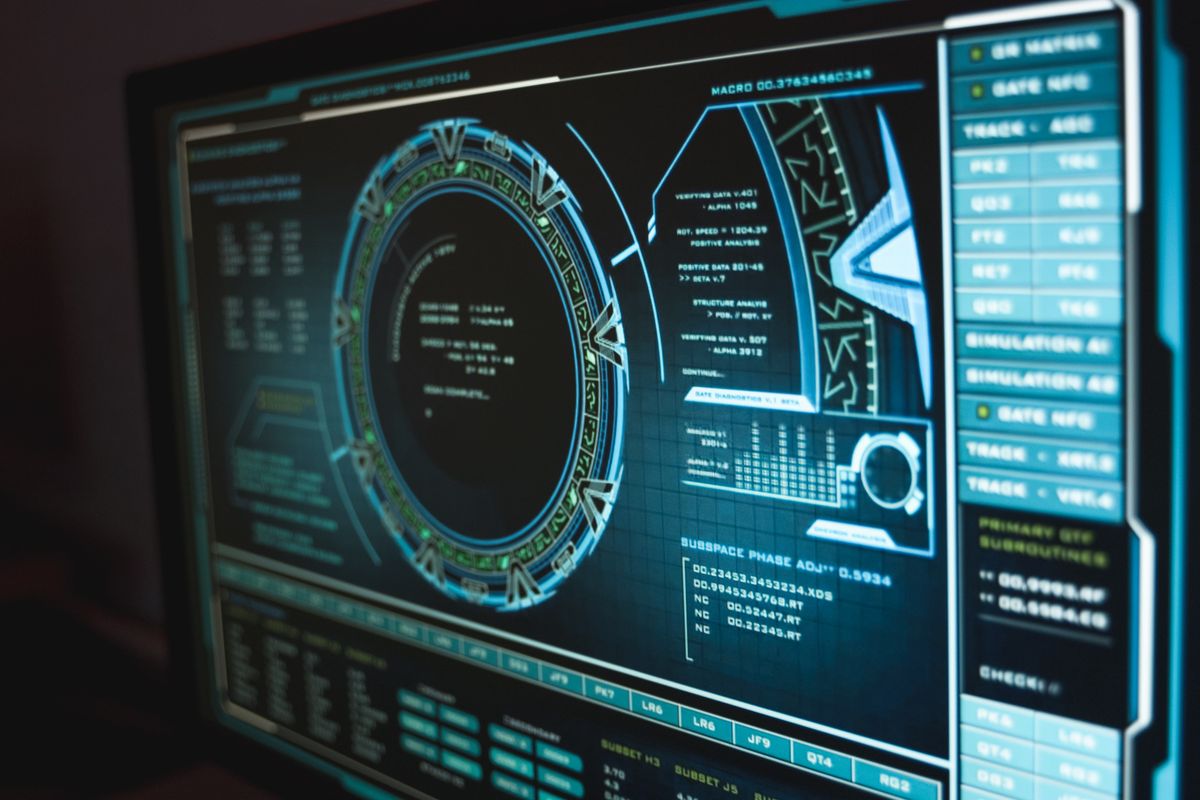
Hospital cybersecurity and medical data security
Zone IV Clinical Safety Divide

Protecting Your Staff and Patients

Moye Remote Medical Imaging operates under a strict, legally delineated operational boundary to protect patient safety and mitigate local liability.

Our Remote Responsibility: Technical console execution, parameter calibration, and imaging acquisition are handled entirely off-site by our remote experts.

Your On-Site Responsibility: The client facility retains full clinical control over physical patient care, including Zone IV safety monitoring, comprehensive patient screening, IV placement, and contrast media administration via an on-site licensed professional or designated clinical assistant.

Built for Rigorous Hospital IT Standards

Security Architecture

🔒
100% HIPAA-Compliant Full encryption across all remote operational data pathways.
🔐
Secure Hardware VPN Low-latency, enterprise-grade encrypted site-to-site hardware tokens.
⚙️
Universal OEM Compatibility Siemens, Philips, and GE remote access architectures supported.
Primary-Source Credentialing Continuous ARRT(MR)/ARMRIT verification via industry-standard portals.
Regulatory & Compliance Resource

AHRA MR Remote Scanning Guidance

The following compliance information is drawn from the AHRA: The Association for Medical Imaging Management guidance document on MR Remote Scanning, facilitated in collaboration with key imaging organizations. Click each section to expand the full details.

Staffing & Workforce Shortage

+

Over the past several years, the healthcare industry has been challenged with unstable work environments, pressures on productivity, and shrinking reimbursements. The radiology workforce shortage experienced these stressors long before COVID-19. In the ASRT Workforce Survey 2019, the industry began to see an increase in vacancies in 2015 — five years before the pandemic began.

At RSNA 2023, Dr. Jocelyn Chertoff shared that by 2030, the world will face a shortage of about 10 million healthcare workers. Despite the future healthcare shortage forecast, as of 2023, there has been an increase in the total number of students entering radiography programs by 1,444 people. Specific to MR, there has been a decrease in the number of students enrolled in MR programs, moving from 720 students to 555. Out of the 60 ARRT-recognized MR programs, 62.5% are not at full capacity.

Remote scanning offers the potential to learn multiple vendors, be more versatile in the workplace, and rotate shifts for a healthier work/life balance. Healthcare leadership interested in remote scanning for workforce shortages should be cognizant that current accreditation organizations and guidelines vary in the industry and must be fully reviewed to determine their applicability within their own organizations.

Source: AHRA MR Remote Scanning — Staffing Workforce Shortage (Pages 4-6)

Safety

+

The benefits of MR as an effective and essential clinical diagnostic tool have been demonstrated during more than 35 years of use. However, the exigencies of the MR environment — including the static magnetic field (B0), time-varying radiofrequency magnetic field (B1), and time-varying gradient magnetic field (dB/dt), as well as the use of gadolinium-based contrast agents (GBCAs) — make proper implementation and supervision of all clinical and research MR systems essential for the prevention of potential related hazards.

The use of GBCAs results in additional patient risk with a reported potential for significant adverse drug reactions of approximately 0.01%. These severe reactions, if unsupervised and left untreated, could result in patient death.

Development of models for remote scanning implementation must ensure that the safety of those being scanned and of the staff is always maintained to at least the same level as for standard scanning with the MR Technologist on site.

Source: AHRA MR Remote Scanning — Safety (Page 7)

Technologist Certification & Facility Accreditation

+

When considering the implementation of remote imaging, an organization should research the applicable standards set forth by the facility's accrediting body. The four accreditation bodies approved by CMS for advanced diagnostic imaging are:

  • American College of Radiology (ACR)
  • Intersocietal Accreditation Commission (IAC)
  • RadSite
  • The Joint Commission (TJC)

A certified and registered MR Technologist should perform the exam, whether remote or onsite. Accrediting bodies state a facility's MR Technologist should be licensed in the jurisdiction in which they practice if state licensure for MR Technologists exists. When exams are performed remotely and crossing state lines, it is important to obtain and follow all applicable state requirements where the technologist is physically located and the state where the patient is receiving the scan.

All accreditation, certification, and licensing documentation must be monitored and tracked through the healthcare organization caring for the patient in the event of an audit — inclusive of outsourcing remote scans to third parties.

Source: AHRA MR Remote Scanning — Technologist Certification and Facility Accreditation (Page 8)

FDA Role

+

The Food and Drug Administration (FDA), an agency within the Department of Health and Human Services (HHS), is responsible for regulating the safety and effectiveness of medical devices. FDA's Center for Devices and Radiological Health (CDRH) regulates radiation-emitting electronic products used for both medical and non-medical applications.

Medical device manufacturers must submit documentation for pre-market submissions for FDA's evaluation of the safety and effectiveness of device software functions. This clearance process involves thorough evaluation of the device design, performance, and manufacturing processes to ensure that it meets regulatory standards for quality, safety, and efficacy.

Remote scanning capabilities are designed to:

  • Enable healthcare professionals to operate imaging equipment remotely addressing the shortage of radiologic technologists and advanced imaging expertise.
  • Standardize imaging protocols and practices across different locations for accurate patient diagnosis and management.
  • Leverage the expertise of technologists across multiple locations, facilitating knowledge sharing and training, and ultimately improving patient care.

Facilities using remote scanning should ensure that the equipment manufacturer has appropriate FDA clearance for the intended use and develop policies and procedures ensuring that the use of remote technology is safe for patients.

Source: AHRA MR Remote Scanning — FDA Role (Pages 9-10)

IT Support

+

Vendor Selection

Facilities should decide if they would like to set up remote scanning on more than one vendor specific MR machine, both now and in the future. Purchasing vendor agnostic equipment will give the flexibility to scan with more than one vendor. Most vendors only control the MR scanner but there are some that will allow control of the contrast injector.

Cameras

The use of cameras is not required but could add value, depending upon how an organization implements remote scanning. Areas in which a camera may add value include:

  • On the injector, should your remote vendor not offer injector control.
  • In Zone III looking down the bore of the magnet.
  • In Zone III looking at the door to Zone IV.

All cameras should be physically secured to standard internet and phone connections that are needed to support the remote scanning equipment reliably. Facilities should consider developing a written standard operating procedure (SOP) that addresses management of situations in which communication connections go down during a scan.

Remote Operator Setup

Careful consideration should be given to not only what the remote operation control center will look like but also where it is located. A site should consider the same guidance used for a radiologist reading station: eliminating or significantly reducing distractions, optimizing ambient lighting, improving ergonomics, and providing adequate work surfaces.

Source: AHRA MR Remote Scanning — IT Support (Page 11)

Risk Management

+

Risk management, within MR, is an overarching term that encompasses the forecasting and evaluation of potential hazards within the MR environment to assist with mitigating or minimizing potential impact. When evaluating remote MR scanning, risk management is a key aspect that should not be ignored.

As remote MR scanning is still being developed, there is considerable debate as to who should be responsible for what. When implementing a remote MR scanning program, the delineation of roles both at the bedside and the remote technologist must be thoroughly vetted. In his editorial, "Divided Liability Remote MR Scanning," Emanual Kanal, M.D., divides the duties and responsibilities between the staff at the bedside and those at the remote facility.

Training and education of staff for any remote MR scanning program is essential for the success of the program and for the safety of everyone involved, including the patient. The duties and responsibilities of all roles charged with ensuring patient and staff safety should be clearly defined with considerations to format and frequency so that roles, duties, responsibilities, and liabilities are clearly set and understood.

As with any program, it is critical to have well-written and defined policies and procedures. All facilities utilizing MR technologies should maintain and regularly update MR safety policies. To mitigate potential risks for the remote MR scanning program, policies and procedures should be well-written, incorporating all aspects of the remote scanning program to ensure processes have been scrutinized and vetted to safeguard against potential threats.

Source: AHRA MR Remote Scanning — Risk Management (Page 12)

Education & Training

+

Prior to implementation it is important to research the most up-to-date education and training guidelines maintained by state laws and regulations, certification agencies, accreditation agencies, and the standards of practice of nationally recognized professional associations.

On-site and remote MR technologists, along with all designated MR Level 2 personnel, will need to have proper training and documentation of remote scanning technology/equipment after initial implementation. All MR Level 2 personnel should be trained in how to use the software, ranging from securely logging in to troubleshooting if there is a lost connection.

Formal Workflow Policies Should Include:

  • Communication Workflows: When and how remote technologists are notified of patient scans.
  • Patient Safety: Who is responsible for the patient screening form if there is an on-site MR technologist? How is the screening form shared with remote technologist?
  • Contrast Injections: How is contrast injection timing communicated? Via phone or chat? If the remote technologist is an external employee, are they familiar with the contrast policies of your facility?
  • Image Quality: Who is responsible for verifying the patient exam is complete and all images are acquired? Do radiologists need to be involved to verify if using advanced imaging?
  • Exam Protocol: Under supervision of the radiologist, who decides which protocol to use?
Source: AHRA MR Remote Scanning — Education/Training (Page 13)

Regulatory Considerations for IDTFs

+

Compliance with required supervision, credentialing, and licensure guidelines are required for billing based on the site of service. Special technologist qualification requirements exist for Independent Diagnostic Testing Facilities (IDTF), including meeting the licensure and/or certification standards of the state in which tests are performed at the time of the IDTF's enrollment and/or at the time any tests were performed.

The technologists can either be employees of the IDTF or be contracted by the IDTF. All enrolling IDTFs must meet the applicable licensure, certification, or credentialing requirements at the time of their enrollment.

Key Regulations:

  • 42 CFR §410.33 — Non-physician personnel requirements
  • CMS IOM Pub. Chapter 10 — Medicare Enrollment Section 10.2.2.4 for IDTFs
  • Local Coverage Article A53252 — IDTF supervising physician and non-physician personnel credentialing requirements

Facilities should verify coverage of services by liability insurance for the use of offsite technologists to ensure current coverage will remain in effect and not be considered an exclusionary service. Compliance with CMS guidelines and regulations, state laws, and individual payer requirements is required.

Source: AHRA MR Remote Scanning — Regulatory Considerations for IDTFs (Pages 14-15)

This guidance document was facilitated by AHRA: The Association for Medical Imaging Management in collaboration with key participating imaging organizations. It is intended as consideration guidance and does not stand for or replace any organization's official position statements.

Onsite Training Program

Onsite Technical Assistant / Patient Positioner

The Onsite Technical Assistant / Patient Positioner serves as the vital "hands-on" extension of the remote MRI Technologist. While the licensed remote technologist manages protocol selection, scan execution, and image quality from a distance, the onsite assistant manages the physical patient environment. This role ensures seamless patient safety, optimal comfort, and precise anatomical positioning, directly reducing scan turnaround times and maximizing throughput.

Key Responsibilities

🛡️
Patient Safety & Screening Execute mandatory MR safety screening protocols under the guidance of the remote technologist to ensure no contraindicated objects enter Zone IV.
🦴
Anatomical Positioning Physically position patients on the MRI table utilizing appropriate padding, immobilization devices, and specialized coils based on exam requirements.
🔗
Coil Management & Connection Select, place, and securely plug in the required radiofrequency (RF) coils for the scheduled scan.
💬
Patient Care & Communication Provide clear, comforting instructions to the patient regarding the scan process, supply hearing protection, and manage the emergency call squeeze bulb.
♻️
Workflow Optimization Clean and sanitize coils and bore between patients, preparing the suite immediately for the next scheduled scan.

Ideal Candidate Profile

This role is highly adaptable and serves as an excellent upskilling or dual-role opportunity for existing medical center personnel. Ideal candidates include:

X-Ray Technologists (RT) Already possess a strong foundation in clinical workflows, patient care, and anatomical positioning, making their transition to MR safety and advanced coil setups highly efficient.
Medical Assistants (MAs) & Nursing Assistants (CNAs) Experienced in direct patient interaction, vital signs, and clinical room turnover.
Radiology Tech Assistants or Patient Transporters Familiar with the imaging department environment and basic patient movement mechanics.
Clinic Support Staff Detail-oriented individuals looking to transition from administrative roles into direct clinical support.

Training Provided

Centers utilizing our support will receive structured, hands-on training covering:

01
Fundamental MR Safety Understanding the magnet environment, projectile hazards, and strict screening workflows.
02
Anatomy & Coil Mechanics Hands-on practice with coil selection, proper handling, and alignment landmarks.
03
Positioning Mastery Step-by-step training for common and complex setups (e.g., routine spine setups vs. specialized prone wrist/extremity positioning).
04
Remote Team Integration Mastering real-time communication workflows with the remote steering technologist.
Schedule a Training Session →

Clear Your Backlog. Stabilize Your Roster.

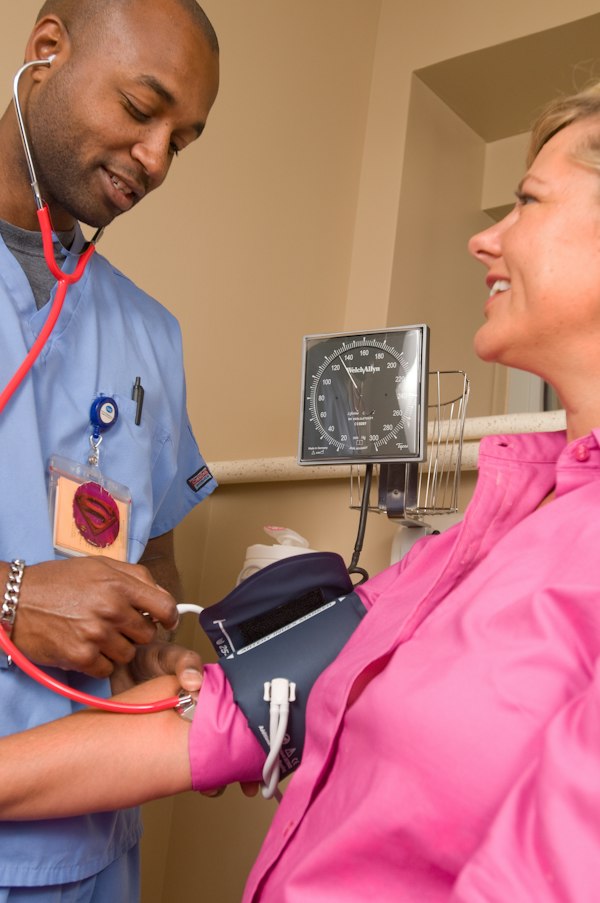
Medical professionals collaborating on radiology

We are currently onboarding a select tier of outpatient imaging networks and community hospitals across 31 zero-red-tape states where national ARRT(MR)/ARMRIT credentials are sufficient — no state-level license required. High-volume launch targets include Texas, Georgia, North Carolina, Michigan, Pennsylvania, and Missouri.

Contact our team today to evaluate a non-binding Letter of Intent (LOI) to secure early-phase operational slots or to schedule a 10-minute digital presentation for your radiology leadership team.

Arizona Texas Georgia North Carolina Michigan Pennsylvania Missouri + 24 More States
Non-Binding Letter of Intent (LOI): Secure your early-phase operational slot with no commitment required. Our LOI process is designed to give your leadership team full visibility into our operational model before any contractual obligation.

Schedule a Presentation

Complete the form below and our team will reach out within 1 business day.